There are moments in Sierra Leone when the work feels heavy in a way that settles deep in the chest. Not because the suffering is new, but because it is layered, systemic, and quietly endured. This reflection emerged from one of those moments, shaped by conversations, unanswered questions, and the realization that injustice rarely announces itself loudly. More often, it lingers in what is withheld, denied, or buried.
About a month ago, a reporter from Reuters reached out after learning of a possible mining accident in the village of Kumao. The allegation was devastating: more than one hundred men trapped underground, with no organized rescue effort. Jericho Road has a clinic in the area, and the reporter wanted to know whether there was any insight into what had happened. Despite attempts to confirm the details, even local leaders were unable to provide clear information. There were rumors, fragments of stories, and silence where answers should have been.
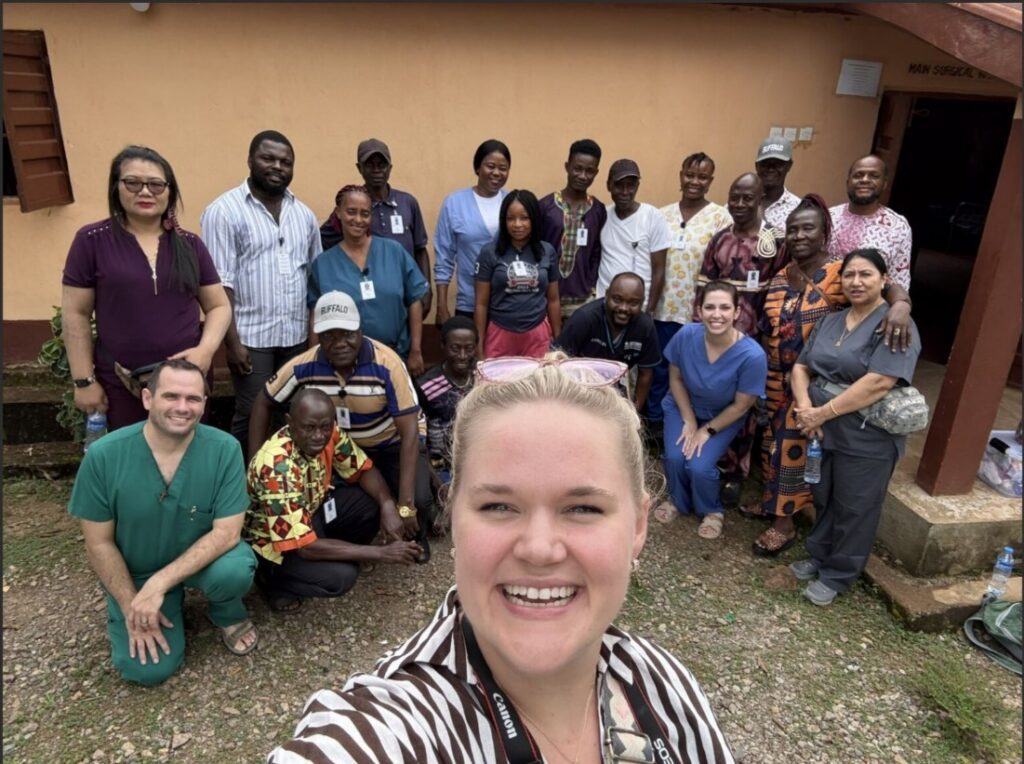
Yesterday, I was able to meet with two of our staff from Kono District. Our conversation brought the situation into sharper focus. But before discussing the mine, the conversation drifted into politics, both local and global. Comparisons were made between leadership in Sierra Leone and the United States. Jokes surfaced, then gave way to shock when describing the realities unfolding back home. These exchanges were familiar and disarming, reminders that global neighbors are paying attention to one another’s struggles, even across continents.
When the discussion returned to the mining incident, a troubling pattern became clear. Those with power appeared invested in suppressing information. Shortly after the alleged accident, local leaders had reached out to an investigative NGO that specializes in documenting abuses like this. That organization later released a report. I was able to attend a meeting with this group in Koidu City; the weight of the story felt undeniable. The mine shaft in question had officially been closed due to safety concerns, yet artisanal miners, both local and migrant, continued working there. Poverty in the village is extreme. Families depend on mining to survive, and even young children are often expected to help their parents.
When the incident occurred, community members initially received phone calls from loved ones trapped underground. Oxygen was running out. There was no way out. Then the calls stopped. Jericho Road’s clinic prepared to receive patients, ready to treat anyone who might emerge injured. No one ever came.
Mining has long scarred this region. It pollutes water sources, destroys farmland, and erodes the possibility of sustainable livelihoods. This tragedy reflects a deeper injustice, where foreign companies profit while communities absorb the risk. The land is rich in minerals, yet the people who live on it remain impoverished and exposed to danger. It is environmental injustice in its clearest form, wealth extracted upward while harm settles downward.
During the meeting, a young man from the investigative NGO asked a hard and honest question. Why did Jericho Road want to be involved? The question was fair. The response was simple and rooted in the organization’s mission. Jericho Road seeks healthy and whole communities. That work includes clinical care, but it does not end there. Health is shaped by the conditions people live and work in. If families cannot feed themselves, if they are forced into unsafe labor, if their environment is poisoned, sickness follows. Caring for patients also means caring about what makes them sick in the first place.
There is no clear resolution yet. It remains uncertain whether justice will come for the families affected or whether accountability will ever be demanded. What is clear is that this kind of advocacy cannot be optional. It must remain central to Jericho Road’s work, both in Buffalo and in Sierra Leone. Healing does not stop at the clinic door. It extends into policies, systems, and the quiet spaces where injustice hides.
In places like Kumao, injustice is not abstract. It is lived, breathed, and endured. To bear witness is not enough, but it is a start. And until the conditions that harm communities are addressed, the work of justice and healing must continue side by side.
A reflection by Catherine Grainge, Director of Advocacy at Jericho Road.